
- Check the records associated with the specific reference you need. A NINO may appear on a payslip or P60, while UTR, VAT and PAYE references are commonly found in HMRC accounts, letters and tax documents.
- A company’s 10-digit UTR is different from its 17-character Corporation Tax payment reference, which changes for each accounting period.
- If you cannot find a reference, use the relevant official HMRC, GOV.UK or Companies House service rather than an unofficial lookup website.
What is a National Insurance Number (NINO) And Where Can I Find It?
A National Insurance number (NINO) is used to make sure your National Insurance contributions and tax are recorded against your name. It remains the same for life and is made up of two letters, six numbers and a final letter, such as QQ 12 34 56 B. This example only demonstrates the format and should not be used as an actual NINO.
If you live in the UK, you will normally receive a letter with your NINO shortly before your 16th birthday. If you have moved to the UK, worked in the UK or claimed benefits here, you may already have one. Otherwise, you may need to apply for a NINO.
You can find your NINO:
- On a payslip or P60.
- On letters about tax, pensions or benefits.
- In the HMRC app.
- In your Personal Tax Account.
- In Apple Wallet or Google Wallet, if you previously saved it there.
Use the GOV.UK National Insurance number service to check where to look or how to request confirmation.
HMRC cannot disclose your NINO over the phone or through webchat. If you cannot retrieve it online, you can request your National Insurance number by post using form CA5403.
How Do I Find My Unique Taxpayer Reference (UTR)?
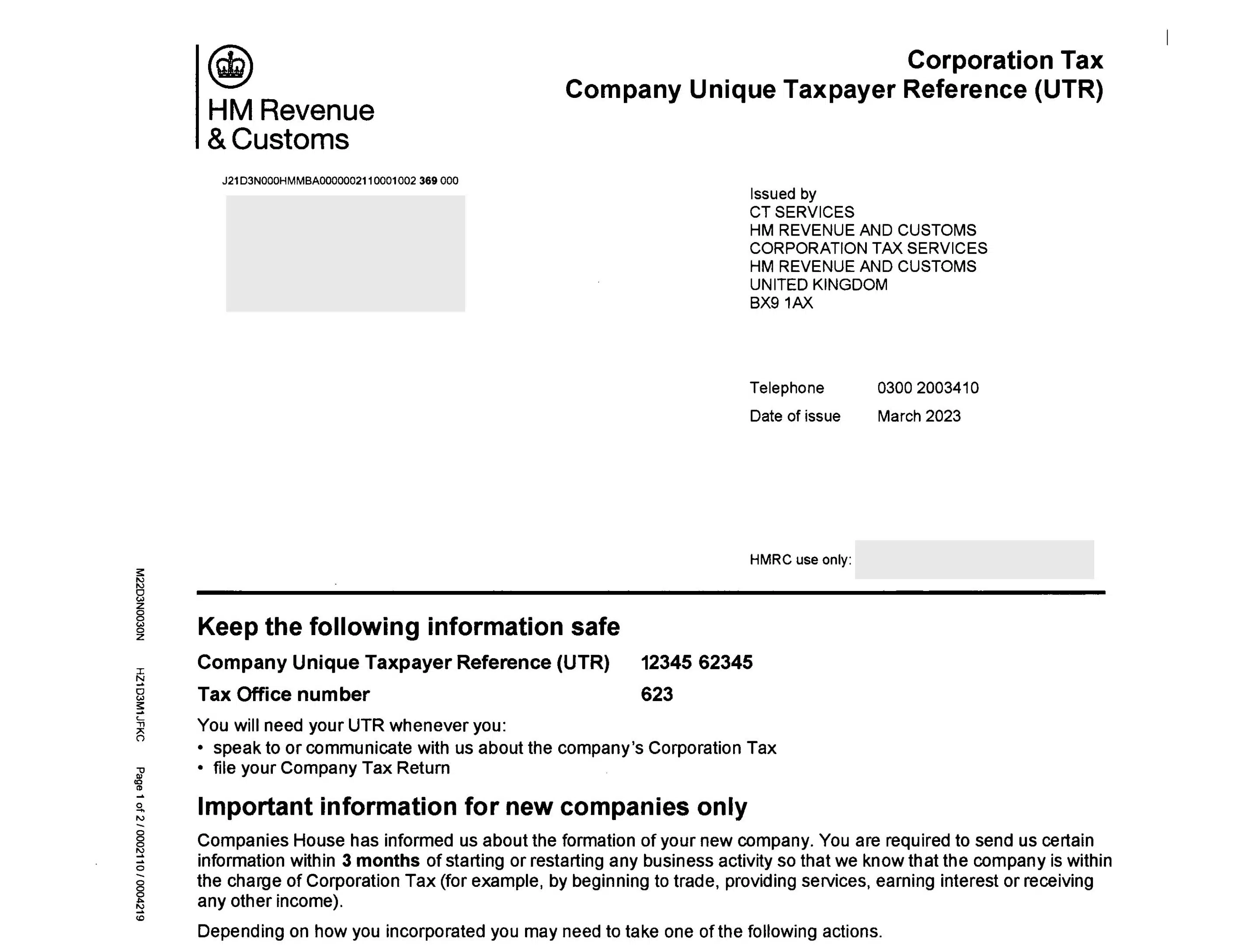
A Unique Taxpayer Reference (UTR) is a 10-digit reference issued by HMRC when an individual registers for Self Assessment or a limited company is set up. It may also be described as a “tax reference” on HMRC documents.
If you are an individual or sole trader, you can find your UTR:
- In your Personal Tax Account.
- In the HMRC app.
- On previous tax returns.
- On HMRC documents, including notices to file a return and payment reminders.
A limited company can find its Corporation Tax UTR on previous Company Tax Returns and correspondence from HMRC, including notices to deliver a Company Tax Return.
If the company cannot locate its UTR, use the GOV.UK UTR service to request a copy. HMRC will send it to the business address registered with Companies House.
Do not confuse the company’s 10-digit UTR with its 17-character Corporation Tax payment reference. A payment reference changes for each accounting period and is used when paying Corporation Tax.
Where Can I Find My VAT Registration Number?
A VAT registration number is a unique 9-digit identifier issued by HMRC after a business is registered for VAT. It may also be displayed with “GB” before the nine digits.
You can find your VAT registration number:
- On your VAT registration certificate.
- In your VAT online account or Business Tax Account.
- On VAT invoices raised by your business.
- In copies of previous VAT returns stored in your VAT online account or accounting software.
- In correspondence from HMRC about your VAT registration.
A VAT-registered business must include its VAT registration number on the invoices it raises. This requirement does not mean the number must appear on every piece of company stationery or every ordinary receipt.
If you still cannot find the number, use HMRC’s VAT general enquiries service. HMRC recommends using its online guidance and services before calling the VAT helpline.
How Do I Find My Company Registration Number (CRN)?
A Company Registration Number (CRN), also called a company number or Companies House number, is the unique 8-character code assigned when Companies House incorporates a company. It appears on the certificate of incorporation.
You can find your CRN:
- On the certificate of incorporation.
- By searching for the company through the Companies House search service.
- On confirmation statements and other Companies House filings or correspondence.
For certain international reporting requirements, a UK company may be asked to provide its CRN as its TIN. The CRN is not the same as the company’s 10-digit Corporation Tax UTR.
What is a PAYE Reference Number And Where Can I Find It?
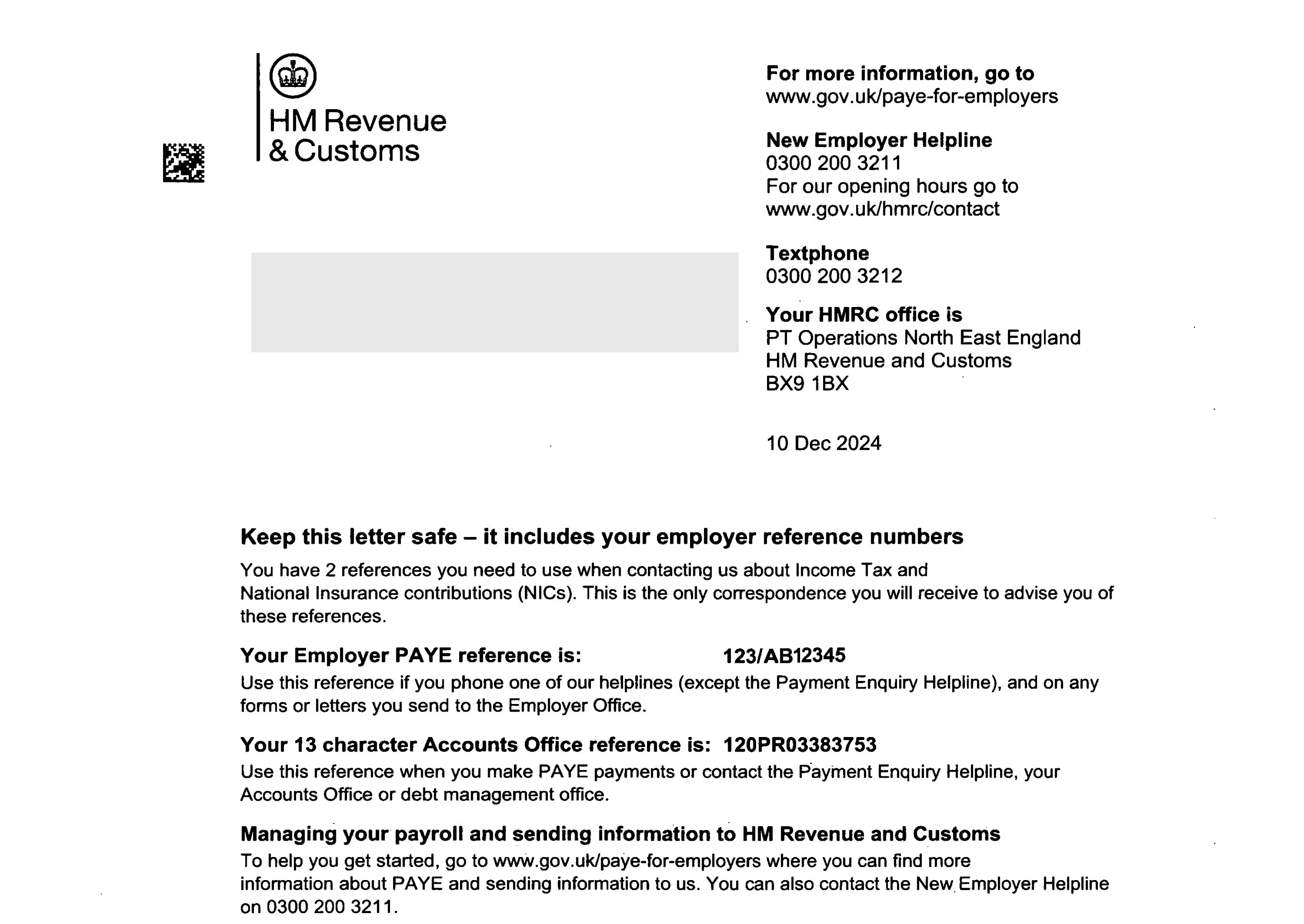
A PAYE reference number is issued by HMRC when an employer registers for PAYE. It identifies the employer’s PAYE scheme for payroll reporting and correspondence with HMRC.
The reference normally contains:
- A three-digit HMRC office number.
- A forward slash.
- A combination of letters and numbers.
You can find the PAYE reference number:
- On the letter HMRC sends after the business registers as an employer.
- On P6 or P9 employee coding notices.
- In PAYE Online.
- In payroll software, if the reference has been added to the employer’s payroll settings.
- In other correspondence from HMRC concerning the employer’s PAYE scheme.
Do not confuse the Employer PAYE reference number with the Accounts Office reference. The Accounts Office reference is a separate 13-character code used when paying PAYE and National Insurance liabilities to HMRC.

I need my tax number TIN
I need my tax number
I need my tax number